Independent Medical Education
Rethinking What Medicine Can Do.
Revolutionary Medicine explores the science, research, and emerging therapies changing how we think about longevity, metabolic health, weight management, peptides, and healthy aging.

Editorial Index
Explore Revolutionary Medicine
Four Ways Medicine Is Being Rethought
Weight Management Is Changing
Read the Weight Loss coverageUnderstanding the Emerging World of Peptide Science
Evidence Before Hype.
Read the Peptides coverageThe Medicines Being Studied Differently
Clearly separating established, off-label, investigational, and experimental use.
Read the Medications coverageFigure 01 — Longevity & Healthy Aging
Healthspan: The Years You Actually Live Well
Longevity research increasingly separates two related but distinct ideas: lifespan, or how long someone lives, and healthspan, or how many of those years are spent in good functional health. Coverage in this section examines biological aging, metabolic health, muscle preservation, cardiovascular health, cognitive health, cellular aging, and preventive health — the factors researchers believe matter most for extending healthspan, not just years on a calendar.
Lifespan is a number. Healthspan is how those years are lived.
Many proposed longevity interventions remain under active study. Revolutionary Medicine does not imply that any specific therapy has been proven to extend human lifespan unless strong human evidence supports that exact claim.
Visit the Longevity Learning Center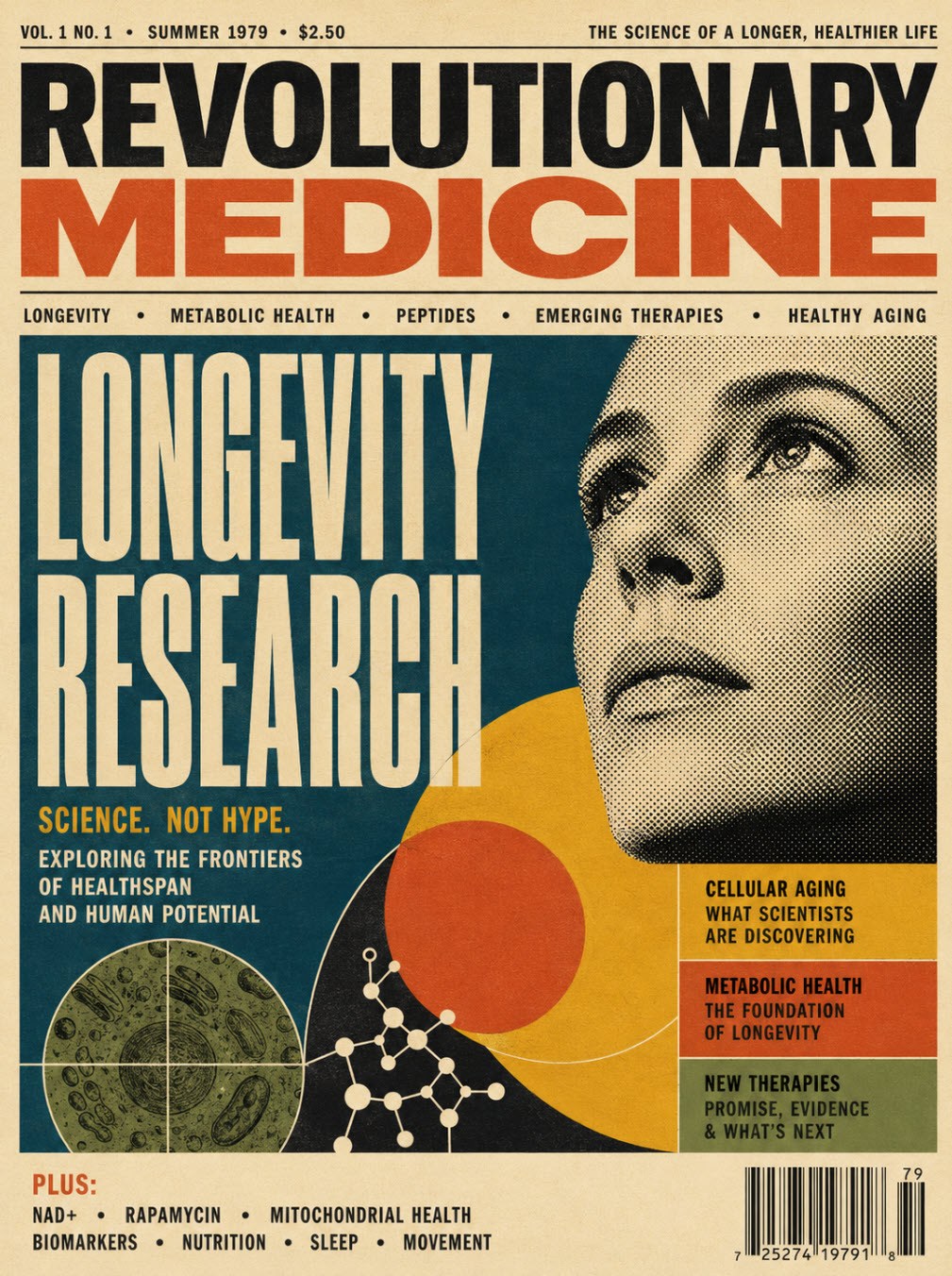
Figure 02 — Weight Loss & Metabolic Health
Weight Management Is Changing
Body weight is shaped by metabolism, appetite regulation, hormones, genetics, environment, behavior, muscle mass, sleep, and nutrition — often in combination, and always in medical context. No single approach is appropriate for everyone, and Revolutionary Medicine does not guarantee outcomes or imply that one treatment fits all readers.
Lifestyle Intervention
Nutrition, physical activity, sleep, and behavior-based strategies that support metabolic health.
Dietary Supplements
Over-the-counter products marketed for weight or metabolic support; oversight and evidence vary widely by ingredient.
Prescription Medication
FDA-approved drugs prescribed and monitored by a clinician for a diagnosed medical purpose.
Medical Weight Management
A supervised, individualized approach that may combine lifestyle care with medication under clinical guidance.
GLP-1 and GLP-1/GIP receptor agonist medications — including semaglutide and tirzepatide — are prescription medicines originally developed for type 2 diabetes that are now also approved, in specific formulations, for chronic weight management. Both injectable and, more recently, oral formulations exist. Preserving lean muscle mass and maintaining weight loss over time remain active areas of clinical research. Revolutionary Medicine does not provide dosing guidance, and any use of these medications should occur under qualified medical supervision.
Established Medical Use — approved indications
Moderate Human Evidence — long-term maintenance
Figure 03 — Peptide Science
Understanding the Emerging World of Peptide Science
Peptides are short chains of amino acids. Some occur naturally in the body as signaling molecules; others are synthesized for research or for approved medical use. A small number of peptide-based medicines are FDA-approved for specific, diagnosed indications and used under medical supervision. Many others — including BPC-157, CJC-1295, ipamorelin, and MOTS-c — are not FDA-approved for human use, and their regulatory status has continued to evolve, including active regulatory and compounding-related review in 2026. GHK-Cu is used in some approved cosmetic contexts; evidence for other proposed uses is limited. Sermorelin has historically been used off-label, under medical supervision, for growth-hormone-related purposes.
Human evidence, safety data, product quality, and regulatory oversight differ substantially across this category. Revolutionary Medicine does not provide peptide sourcing information, injection guidance, dosing instructions, cycling protocols, or self-experimentation advice.
A Classification Framework
01
Established Medical Use
FDA-approved for a specific, diagnosed indication, prescribed and monitored by a clinician.
02
Off-Label Medical Use
An approved medicine used by a clinician for a purpose beyond its approved indication.
03
Clinical Research
Being studied in structured human trials, with safety and efficacy not yet fully established.
04
Experimental / Investigational
Early-stage research compounds without confirmed safety or effectiveness data in people.
05
Unapproved Consumer Use
Use outside medical supervision and outside any approved or investigational framework.
These categories are not interchangeable — a compound's position on this pathway does not move based on popularity or marketing.
Figure 04 — Medications & Emerging Therapies
The Medicines Being Studied Differently
Several long-established medications are being studied for purposes beyond their original approval. Repurposing a drug does not, by itself, prove a new benefit — each entry below separates what is established from what remains under investigation.
Metformin
- Originally developed for
- Type 2 diabetes management.
- Current established use
- First-line prescription medication for type 2 diabetes, improving insulin sensitivity and glucose regulation.
- Why researchers are interested
- Its metabolic effects have prompted interest in whether it influences broader aging biology, including proposed large-scale trial concepts such as TAME (Targeting Aging with Metformin).
- What human evidence exists
- Extensive evidence supports its use in diabetes; evidence for anti-aging or lifespan benefits in people without diabetes remains limited and preliminary.
- What remains unanswered
- Whether metformin provides meaningful healthspan or lifespan benefits in generally healthy adults.
- Regulatory & clinical context
- Approved for diabetes; use for aging-related purposes is off-label and investigational.
Rapamycin
- Originally developed for
- Preventing organ transplant rejection through immunosuppression.
- Current established use
- Prescribed after organ transplantation under close medical supervision.
- Why researchers are interested
- Its effect on the mTOR pathway, which is implicated in cellular aging processes studied in laboratory models.
- What human evidence exists
- Extensive evidence in transplant medicine; evidence specific to healthy-aging benefits in humans remains early, drawn largely from small trials and laboratory or animal research.
- What remains unanswered
- Long-term safety and effectiveness for aging-related use outside its approved indication.
- Regulatory & clinical context
- Off-label, investigational use for aging; carries immunosuppressive risks requiring medical supervision.
Low-Dose Naltrexone
- Originally developed for
- Full-dose naltrexone was developed and approved for opioid and alcohol use disorder.
- Current established use
- Full-dose naltrexone remains approved for those indications.
- Why researchers are interested
- Proposed immune-modulating effects at low doses have prompted exploration for chronic pain and inflammatory conditions.
- What human evidence exists
- Evidence for low-dose use in chronic pain and inflammatory conditions is mixed and comes largely from smaller studies.
- What remains unanswered
- Which conditions, if any, show consistent benefit, and how patients should be selected.
- Regulatory & clinical context
- Off-label use; compounded low-dose formulations are not themselves FDA-approved products.
GLP-1 Medications
- Originally developed for
- Early GLP-1 receptor agonists were developed for type 2 diabetes management.
- Current established use
- Several GLP-1 and GLP-1/GIP medications are approved for type 2 diabetes and/or chronic weight management; at least one carries an approved cardiovascular risk-reduction indication in adults with obesity and established heart disease.
- Why researchers are interested
- Ongoing research is examining potential cardiometabolic and neurological effects beyond glucose and weight.
- What human evidence exists
- Strong evidence supports approved indications; research into other potential uses is ongoing and, in many areas, still early.
- What remains unanswered
- Long-term outcomes with extended use and whether findings in some studies generalize broadly.
- Regulatory & clinical context
- Prescription medications requiring medical supervision; approved uses vary by specific drug and formulation.
NAD+ Therapies
- Originally developed for
- NAD+ is a molecule naturally central to cellular energy metabolism; precursor supplements and IV formulations have been marketed for wellness and recovery.
- Current established use
- Not an FDA-approved drug for aging; available largely as a dietary supplement or through wellness clinics.
- Why researchers are interested
- Laboratory research suggests NAD+ levels decline with age and may relate to cellular energy and repair processes.
- What human evidence exists
- Human evidence remains limited; small studies of precursor compounds show preliminary and mixed results.
- What remains unanswered
- Whether raising NAD+ levels produces meaningful clinical benefits in healthy adults.
- Regulatory & clinical context
- Marketed as supplements rather than approved medications, with different oversight than prescription drugs.
Hormone Therapy
- Originally developed for
- Replacing hormones such as estrogen, testosterone, or thyroid hormone in people with diagnosed deficiencies or menopause-related changes.
- Current established use
- FDA-approved for specific, diagnosed indications, including menopausal hormone therapy and diagnosed hypogonadism, prescribed under medical supervision.
- Why researchers are interested
- Hormonal changes are linked to aspects of aging, prompting interest in broader healthy-aging outcomes.
- What human evidence exists
- Evidence is strong for approved indications; evidence for use purely for anti-aging purposes, absent a diagnosed deficiency, is limited.
- What remains unanswered
- Long-term risk-benefit balance when used outside a diagnosed medical need.
- Regulatory & clinical context
- Requires diagnosis, prescription, and monitoring; use without a diagnosed indication falls outside established practice.
The Longevity Learning Center
A Premium Educational Hub for Longevity Science
A working reference for the concepts that come up most often across longevity, metabolic health, and preventive medicine coverage.
- Healthspan vs. Lifespan
- Biological Age
- Biomarkers
- Metabolic Health
- Cellular Aging
- Inflammation
- Hormones
- Nutrition
- Supplements
- Peptides
- Prescription Therapies
- Preventive Health
What Is Healthspan?
Healthspan refers to the years a person lives in good functional health, as distinct from lifespan, which is the total number of years lived.
Can Biological Age Be Measured?
Various tools, including epigenetic clocks and biomarker panels, attempt to estimate biological age. Methods vary and none is a universally validated clinical standard, so results should be interpreted cautiously.
Which Biomarkers Matter?
Commonly studied markers include glucose and insulin measures, lipid panels, inflammatory markers, and blood pressure. Relevance depends on individual health context and is best discussed with a clinician.
What Makes a Therapy Experimental?
A therapy is experimental when it has not completed the clinical evidence and regulatory review process required for approval in that use, meaning its effects and risks are not yet fully established.
What Is a Peptide?
A peptide is a short chain of amino acids. Some occur naturally in the body as signaling molecules; others are synthesized for research or approved medical use.
How Do GLP-1 Medications Work?
They mimic gut hormones involved in blood sugar regulation and appetite. They were developed originally for diabetes and, in specific approved formulations, are now also used for chronic weight management.
What Is Metabolic Health?
Metabolic health describes how well the body regulates blood sugar, blood pressure, cholesterol, and body composition, often assessed through markers like insulin sensitivity.
How Should I Read Longevity Headlines?
Look at the type of evidence behind a claim — laboratory, animal, or human trial — whether it is preliminary or confirmed, and whether qualified experts have reviewed it, rather than the size of the promise.
Figure 05 — Healthy Living
The Fundamentals Still Matter.
- Nutrition
- Physical Activity
- Resistance Training
- Sleep
- Healthy Weight
- Tobacco Avoidance
- Stress Management
- Relationships
- Preventive Healthcare
- Recovery
Revolutionary Medicine Isn't Always About Discovering Something New.
Sometimes It's About Applying What We Already Know More Effectively.
Figure 06 — Research & New Developments
Follow the Science as It Evolves.
When the evidence changes, responsible health information should change with it.
This section tracks how clinical trials, longevity research, metabolic medicine, regulatory developments, medical technology, and preventive medicine are progressing. The article cards below are demonstration placeholders illustrating how ongoing coverage will be organized once published articles are available.

Tracking Research on Metabolic Health and Aging
A placeholder illustrating how the publication will summarize new metabolic-health research as it is published.
Research in MotionHow Regulatory Guidance on Emerging Peptides Is Evolving
A placeholder illustrating coverage of shifting regulatory frameworks for investigational peptides.
Evidence Review RequiredWhat Systematic Reviews Say About Weight-Management Medications
A placeholder illustrating how the publication will translate systematic reviews into plain-language summaries.
Strong Human EvidenceReading the Research
How Evidence Evolves
01
Biological Hypothesis
02
Laboratory Research
03
Animal Research
04
Early Human Studies
05
Controlled Clinical Trials
06
Systematic Reviews
07
Clinical Guidance
Not every promising idea makes it through every stage.
Expert Perspectives
Editorial Perspectives That Shape Our Coverage
Revolutionary Medicine's editorial process is informed by the perspectives of the following professional disciplines. This section describes editorial lenses, not individual contributors, credentials, or quotations.
Dr
Physicians
Help frame how emerging research translates into clinical practice and patient-care considerations.
Rx
Pharmacists
Bring perspective on drug mechanisms, interactions, formulations, and medication safety.
Rs
Researchers
Contextualize study design, evidence quality, and what a given finding does and does not show.
Nu
Nutrition Professionals
Explain how diet and nutrition intersect with metabolic health and weight management.
Ex
Exercise Specialists
Speak to resistance training, physical activity, and recovery as pillars of long-term health.
Pv
Preventive Medicine Experts
Emphasize early risk identification and evidence-based prevention strategies.
En
Endocrinologists
Offer insight into hormones, metabolism, and the endocrine systems central to many featured topics.
Mh
Metabolic Health Specialists
Focus on insulin sensitivity, body composition, and the biology behind weight and metabolism.
What Makes Medicine Revolutionary?
What Makes Medicine Revolutionary?
It isn't a single drug.
It isn't a peptide.
It isn't a supplement.
It isn't one technology.
It is a different way of thinking about health.
- Measuring risk earlier.
- Understanding biology more precisely.
- Addressing metabolic dysfunction directly.
- Investigating healthier aging responsibly.
- Separating evidence from hype.
- Continuing to revise conclusions as evidence changes.
Stay Informed
Follow the Future of Medicine
Get periodic, plain-language coverage across the topics Revolutionary Medicine follows most closely.
We respect your privacy. Unsubscribe at any time. We do not sell your information.
About Revolutionary Medicine
An Independent Educational Publication
Revolutionary Medicine is an independent educational publication exploring longevity, healthy aging, medical weight management, metabolic health, peptides, supplements, prescription therapies, lifestyle science, and emerging medicine.
The publication's purpose is not to call every new health trend a breakthrough. Its purpose is to examine evidence, explain science, follow important developments, identify uncertainty, and help readers ask better health questions.
The future of medicine is being written today. Revolutionary Medicine helps you understand it.